Technology
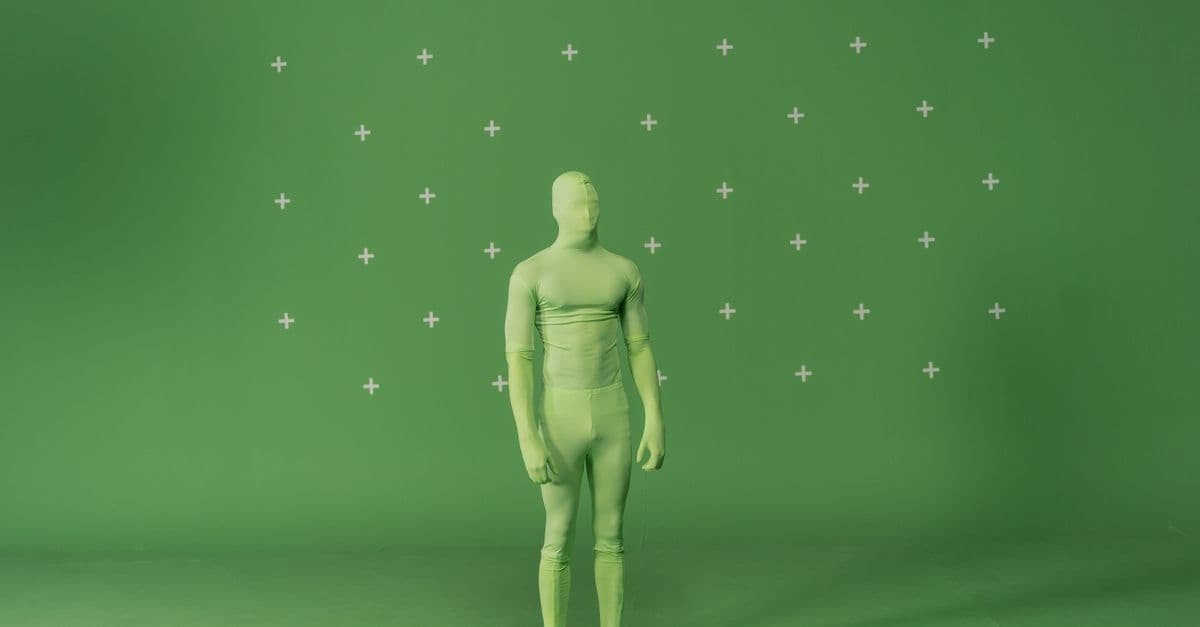
Digital Body Tech: How Motion Capture Transforms Music
Motion capture and digital avatar tech are revolutionizing music. Discover how a $319M market is transforming performances and creating new revenue streams.
AAlex Morgan
12m

When Malia and Sasha Obama left the White House in 2017, they took with them an unprecedented lesson in digital age survival: how to maintain privacy while growing up under the world's most powerful surveillance apparatus—not just government security, but millions of smartphone cameras, social media platforms, and an insatiable digital news cycle. Their strategic approach to public appearances has since become a masterclass in leveraging technology for privacy rather than exposure.
This guide explores how the Obama sisters have navigated public life in the technology era, examining the digital tools, social media strategies, and privacy technologies that have shaped their approach to visibility. You'll discover actionable insights about digital privacy management, the evolution of public figure protection in the social media age, and how technology both threatens and preserves personal boundaries for high-profile individuals. Whether you're interested in digital security, social media strategy, or the intersection of technology and privacy rights, understanding the best malia sasha obama public appearance strategies offers valuable lessons for anyone navigating our hyperconnected world.
The Obama daughters faced a unique technological challenge that no previous First Children encountered at scale: ubiquitous smartphone technology combined with instant social media sharing. When Barack Obama took office in 2009, Malia was 10 and Sasha was 7. Facebook had only recently opened to the general public, Twitter was just three years old, and Instagram wouldn't launch until 2010. By the time they left the White House, Snapchat, TikTok's predecessor Musical.ly, and livestreaming had transformed how public figures were documented.
According to Pew Research Center data, smartphone ownership among U.S. adults grew from 35% in 2011 to 81% by 2019, meaning the Obama sisters' teenage years coincided with an explosion in citizen journalism and casual photography. Every public appearance became a potential viral moment, with images spreading across platforms before traditional media could even report on events. This technological reality forced the development of sophisticated digital privacy strategies that went far beyond traditional Secret Service protection.
The White House under the Obama administration implemented strict technology protocols for the First Family's children. Media outlets agreed to limited coverage guidelines, but these traditional agreements couldn't control millions of individual social media users. The solution required technological interventions: from strategic timing of appearances to minimize crowd sizes, to the use of geolocation blocking technology that prevented real-time posting of their whereabouts, to sophisticated image recognition systems that could identify unauthorized photos appearing online.
The technological infrastructure protecting Malia and Sasha during their White House years and beyond represents a cutting-edge privacy technology implementation. While specific systems remain classified for security reasons, public information reveals several layers of digital protection that have broader applications for privacy-conscious individuals and organizations.
One of the most sophisticated elements involved real-time social media monitoring using artificial intelligence and machine learning algorithms. These systems scan millions of posts across platforms, identifying images and mentions of protected individuals within minutes of posting. Facial recognition technology, combined with natural language processing, creates alerts when potentially sensitive information appears online. Similar commercial tools like Brandwatch and Meltwater now offer scaled-down versions of these capabilities to corporations and public figures.
The Secret Service has acknowledged using geofencing technology around schools, private residences, and other sensitive locations. When social media users attempted to post content with location tags from these areas, various technical measures could delay or obscure the precise location data. While controversial from a civil liberties perspective, these tools demonstrate how technology can create digital perimeters that complement physical security measures.
Since leaving the White House, both Malia and Sasha have demonstrated a remarkably strategic approach to public visibility that leverages technology rather than rejecting it. Their appearances follow patterns that reveal sophisticated digital strategy thinking.
Malia Obama's public appearances have been notably selective and professionally oriented. Her internship experiences at HBO's "Girls" in 2015 and the Weinstein Company in 2017, followed by her work in the writers' room for Donald Glover's "Atlanta," show a focus on building a career in entertainment and media—industries where controlled digital presence matters enormously. Paparazzi photos and fan encounters are typically brief, often occurring in Los Angeles or Cambridge, Massachusetts (where she attended Harvard University), creating a limited, predictable geography that simplifies security and monitoring.
Sasha Obama, who attended the University of Southern California, has similarly maintained strategic distance from social media spotlight while living in one of the world's media capitals. According to various reports, neither sister maintains verified public social media accounts, though private accounts under pseudonyms allow them to engage with platforms on their own terms. This approach—present but invisible—represents perhaps the most sophisticated technology strategy: using platforms for personal connection and information while avoiding the performance aspect that makes most users vulnerable to scrutiny.
The timing and context of their appearances also reflect digital savvy. They tend to appear at events that are either already highly documented (where additional attention is diluted) or at private functions where attendees have clear social contracts about discretion and where phone usage may be restricted through signal blocking technology or social pressure. This creates a binary: either total media saturation where individual images matter less, or genuine privacy protected by both technology and social norms.
The malia sasha obama public appearance guide wouldn't be complete without examining the specific digital privacy technologies that enable high-profile individuals to maintain boundaries. Many of these tools have commercial applications for anyone concerned about digital privacy.
Encrypted communication platforms form the foundation. While consumer apps like Signal and WhatsApp offer end-to-end encryption, high-security implementations often use military-grade encrypted devices and networks. The Obama family has been associated with secured communication systems that prevent interception, metadata collection, and unauthorized access.
VPNs and proxy networks allow internet usage without revealing location or identity. Advanced implementations use multiple proxy layers (Tor-style routing) and can automatically strip identifying information from digital communications. For public figures, these tools prevent both malicious tracking and casual identification of their digital footprints.
Digital footprint management services have emerged as a growth industry. Companies like DeleteMe, ReputationDefender, and specialized security firms work to remove personal information from data broker databases, suppress search results, and monitor for new privacy breaches. According to a 2024 Forrester Research report, the personal privacy services market grew to $3.2 billion globally, driven partly by high-profile examples of privacy management.
Here's a comparison of privacy technology categories and their applications:
| Technology Category | Consumer Tools | Enterprise/High-Security Tools | Primary Function |
|---|---|---|---|
| Encrypted Communication | Signal, WhatsApp | Secure Government Phones, SCIF Networks | Prevent message interception |
| Location Privacy | VPN services, Tor Browser | Multi-layer Proxies, Geofencing | Hide physical location and IP |
| Image Protection | Private Instagram, Photo Permissions | Facial Recognition Blocking, Watermarking | Control photo distribution |
| Data Removal | DeleteMe, Incogni | Specialized Scrubbing Services | Remove personal data from web |
| Social Media Management | Privacy Settings, Anonymous Accounts | Professional Monitoring, AI Alert Systems | Control digital presence |
The strategies employed in managing the best malia sasha obama public appearance outcomes offer scalable lessons for anyone navigating digital privacy concerns. You don't need Secret Service resources to implement meaningful protections.
Selective visibility remains the most powerful strategy. Rather than attempting total anonymity (often impossible and counterproductive), strategic visibility means controlling what, when, and how information appears. This might mean maintaining a professional online presence while keeping personal life strictly private, or using privacy settings to create tiered access levels for different audiences.
Technical literacy about privacy tools has become essential. Understanding how to use encrypted messaging, VPNs, privacy-focused browsers (like Brave or Firefox with strict settings), and how to manage app permissions prevents the most common privacy breaches. Most privacy violations come from user error or ignorance rather than sophisticated attacks.
Social contracts and cultural norms matter as much as technology. The Obama sisters benefit from a general social agreement that they deserve privacy—but you can create similar protections by establishing clear boundaries with your network about what can be shared, establishing rules for events you host, and respecting others' similar boundaries to build reciprocal privacy culture.
Implement a "privacy audit" protocol: Quarterly, search for yourself across search engines using quotes around your name, check data broker sites like Spokeo and Whitepages, review tagged photos on social platforms, and verify that old accounts you've abandoned don't contain exploitable information. Set calendar reminders to make this routine rather than reactive.
Use the "three-layer test" for public appearances: Before attending events or posting about locations, ask: (1) Do I want this associated with my public identity? (2) Could this information reveal patterns about my routine or location? (3) Who else might be documenting this, and what are their privacy practices? If any answer concerns you, implement additional protections or reconsider participation.
Build a "privacy tech stack" that matches your risk profile: For average privacy concerns, use Signal for sensitive conversations, a reputable VPN, strict social media privacy settings, and a password manager. For higher stakes, add a privacy-focused email service (ProtonMail), use separate devices for different identity levels, implement biometric security, and consider professional privacy monitoring services. Match the sophistication of your defenses to the actual risks you face.
Q: Do Malia and Sasha Obama have public social media accounts?
A: Neither Malia nor Sasha Obama maintains verified public social media accounts. Various reports indicate they likely use private accounts under pseudonyms or maiden names of relatives to engage with platforms while maintaining privacy. This strategy allows personal use of social technology without the performance pressures and privacy invasions of public accounts.
Q: What technology do high-profile individuals use to prevent unauthorized photos at private events?
A: Multiple technologies create photo-free environments, including signal jammers that block cellular/WiFi transmission (though these are restricted by FCC regulations in the U.S. for private use), Yondr pouches that physically lock phones during events, infrared light systems that interfere with smartphone cameras, and increasingly, social/legal agreements with attendees backed by contracts. The most effective approach combines technology with clear policies and consequences for violations.
Q: How can regular people apply the same privacy strategies as the Obama daughters?
A: Start with the fundamentals: use encrypted messaging apps for sensitive conversations, enable strict privacy settings on all social platforms, use a VPN when browsing, implement strong unique passwords with a password manager, regularly search for yourself online to monitor your digital footprint, and be highly selective about what personal information you share publicly. Consider privacy services like DeleteMe to remove your information from data broker sites, and establish clear social boundaries about what friends and family can share about you online.
Q: What role does facial recognition technology play in protecting privacy for public figures?
A: Facial recognition has a dual role—it's used by security teams to scan social media and identify unauthorized photos of protected individuals (allowing for takedown requests or monitoring), but it also represents a privacy threat when used by others to identify and track public figures. Some research explores "adversarial" technologies that confuse facial recognition systems, including specialized makeup patterns and accessories. The technology arms race continues between recognition capabilities and counter-recognition protections.
The malia sasha obama public appearance strategy ultimately demonstrates that privacy in the digital age is fundamentally a technology problem requiring technology solutions. From the sophisticated monitoring systems that track their digital mentions to the strategic use of encrypted communications and controlled visibility, their approach shows how intentional use of privacy technologies enables participation in public life without surrendering all personal boundaries.
As facial recognition becomes more ubiquitous, as AI-powered tracking grows more sophisticated, and as the Internet of Things embeds cameras and sensors throughout our environment, the lessons from high-profile privacy management become relevant to everyone. You might not face the same level of scrutiny as presidential children, but the same principles apply: understand the technologies that threaten your privacy, implement the counter-technologies that protect it, and make strategic rather than reactive choices about your digital visibility.
What aspects of your digital privacy are you leaving unprotected? Now is the time to audit your digital presence, implement privacy technologies that match your needs, and take control of your visibility before someone else does it for you.
Related Free Tool
URL Slug Generator
Convert any title into a clean, SEO-friendly URL slug.
Get our latest insights delivered to your inbox every week. No spam, ever.
Unsubscribe anytime. We respect your privacy.
Written by
Alex MorganAI & Technology
AI and technology writer covering the latest breakthroughs in artificial intelligence, machine learning, and software development.
Loading comments...

Read Next
AI & Machine LearningChristian Pulisic's every move is predicted by AI. Discover how machine learning analyzes player performance with 87.78% accuracy in modern soccer analytics.
Motion capture and digital avatar tech are revolutionizing music. Discover how a $319M market is transforming performances and creating new revenue streams.

40% of travelers have been compromised on public WiFi. Learn the hidden risks of coffee shop connections and how to protect your data from sophisticated attacks.

93% of companies that lose data for 10+ days go bankrupt within a year. Yet 60% of backups are incomplete and 50% fail to restore. Learn the right way to protect your data.