Digital Body Tech: How Motion Capture Transforms Music
The global 3D motion capture market is valued at approximately USD 319 million in 2026 and musicians worldwide are discovering what Hollywood learned decades ago: capturing the human body digitally opens creative possibilities that physical reality cannot match. From virtual concerts viewed by millions to AI-powered avatars that perform 24/7, the technology reshaping how artists create and connect with audiences is no longer science fiction—it's the best oliver tree body of work modern performers can deliver.
Overview
This oliver tree body guide explores the cutting-edge technologies transforming how musicians create, perform, and distribute their work in the digital age. You'll discover how motion capture, volumetric video, and digital avatar technologies are revolutionizing music production, enabling unprecedented creative freedom while opening new revenue streams. From understanding the core technologies to implementing pro-level strategies, this comprehensive analysis reveals why 60% of musicians are now utilizing AI tools in their music projects and how these digital body capture systems are redefining what's possible in entertainment.
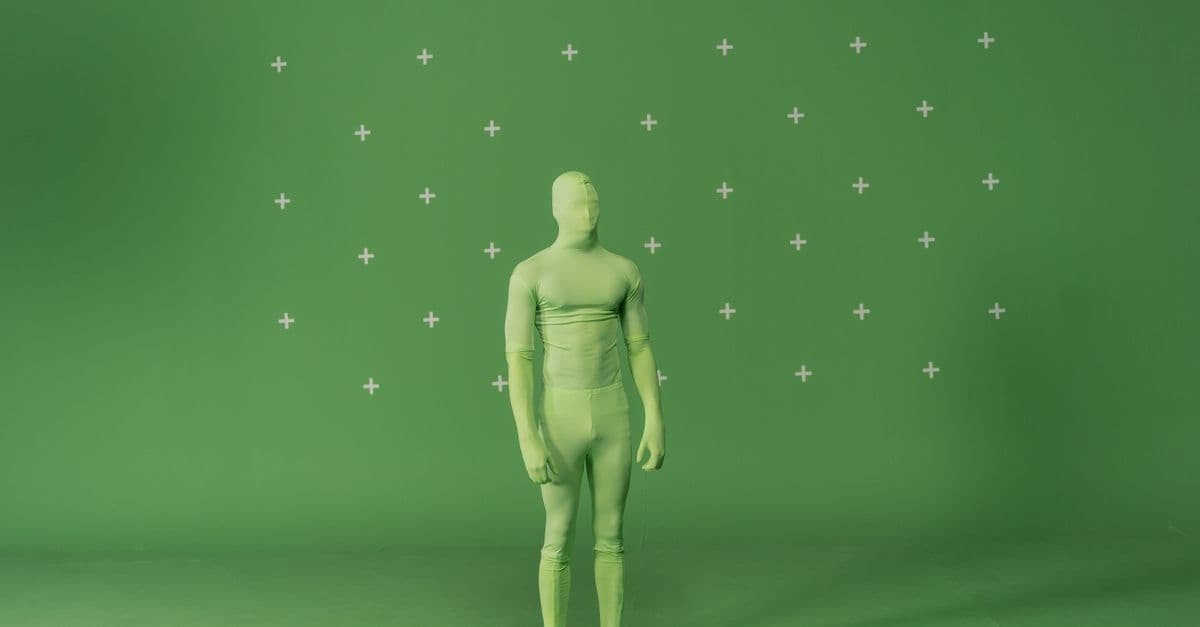
Motion capture technology (mocap) records human movement and translates it into digital data that can animate virtual characters or create entirely new performance experiences. Unlike traditional video recording, mocap captures the essence of movement itself—every gesture, every subtle shift in weight, every expressive flourish—and makes it reusable, editable, and infinitely scalable.
The entertainment industry has embraced this technology with remarkable speed. The media and entertainment industry is poised to capture 24.6% of the 3D motion capture market in 2025, driven by growing demand for realistic animation, VFX, and virtual production. For musicians, this means the ability to create music videos in impossible locations, perform as different characters or even non-human entities, and deliver live shows without the physical constraints of touring.
Volumetric capture records human performances from every angle using an array of cameras, with the data reconstructed and compressed to create 3D assets or "holograms" of these dynamic performances. This technology goes beyond traditional mocap by capturing not just movement but also the performer's physical appearance, clothing texture, and even how light interacts with their body. The result is a fully three-dimensional digital twin that can be viewed from any angle and placed in virtual or augmented reality environments.
The oliver artist using these technologies gains unprecedented creative control. You can perform once and deploy that performance across multiple platforms—VR headsets, AR experiences, traditional screens, and even holographic displays. The technology captures every nuance of your performance while giving you the freedom to modify, enhance, or completely transform the visual context.
Key Technologies in Digital Body Capture
Several complementary technologies work together to create comprehensive digital performance systems:
Optical motion capture uses multiple high-speed cameras to track markers placed on the performer's body. These systems, like those from Vicon and OptiTrack, offer extraordinary precision and are the gold standard for professional productions. Volumetric capture brings an entirely new visual language to music videos, capturing every detail including clothing flow, hair movement and expressive gestures in full 3D.
Markerless systems employ computer vision and machine learning to track performers without physical markers, making the capture process less intrusive and more natural. These systems analyze video feeds in real-time, identifying body positions and movements through sophisticated algorithms.
Inertial measurement units (IMUs) from companies like Rokoko and Xsens use sensors containing accelerometers and gyroscopes that performers wear on their body. These systems excel in situations where optical tracking is impractical, such as outdoor locations or when capturing highly athletic performances.
The Rise of Digital Avatars in Music
The digital avatar market represents one of the fastest-growing segments in entertainment technology. The global digital avatar market size was estimated at USD 18.19 billion in 2023 and is anticipated to reach USD 270.61 billion by 2030, growing at a CAGR of 49.8%. This explosive growth reflects how digital representations are becoming central to how artists connect with their audiences.
Virtual performers can exist in multiple places simultaneously, interact with fans 24/7, and never experience physical fatigue. Virtual K-pop group MAVE, developed using Unreal Engine Metahuman Creator, saw their 2023 single "PANDORA" amass nearly 30 million views, demonstrating that audiences are willing to embrace fully digital artists when the technology delivers compelling performances.
These digital tree structures of performance technology allow you to maintain a presence across social media, streaming platforms, and virtual worlds without the physical demands of traditional celebrity. You can perform in Tokyo, New York, and London simultaneously through avatar-based concerts, reaching global audiences without leaving your studio.
The technology powering these avatars has reached remarkable sophistication. AI-driven character rigging can reduce the time required for this process by 60%, while AI-assisted lip-syncing achieves up to 98% accuracy in matching mouth movements to speech. This means digital performances can achieve near-perfect synchronization between audio and visual elements, creating believable and engaging experiences.
Business Applications and Revenue Models
The financial implications of digital body capture technology extend far beyond novelty. Musicians are discovering multiple revenue streams that were impossible before these technologies matured.
Virtual concerts represent a massive market opportunity. The virtual concert platform market is valued at approximately $10 billion to $16 billion in 2025, defined by software and hardware solutions that enable artists to broadcast high-fidelity audio and video to a global audience. These platforms allow you to charge admission, sell virtual merchandise, and create exclusive experiences without venue rental costs or geographic limitations.
AI-generated music is expected to boost overall music industry revenue by 17.2% within the next year, creating new opportunities for artists who embrace these technologies early. The ability to create content faster, distribute it across more channels, and engage fans through digital avatars multiplies your potential income sources.
| Revenue Stream | Traditional Model | Digital Body Capture Model |
|---|
| Live Performance | Single venue, ticket sales | Simultaneous global venues, scalable attendance |
| Music Videos | High production costs, single release | Lower per-unit costs, multiple versions/platforms |
| Fan Engagement | Limited by physical presence | 24/7 avatar interaction, personalized experiences |
| Merchandise | Physical goods only | Physical + digital collectibles/NFTs |
| Touring | Exhausting, expensive | Virtual tours with zero travel |
The best oliver tree body of content creation work happens when you combine traditional musicianship with these new technologies. You're not replacing authentic human creativity—you're amplifying it and making it accessible to more people in more ways.
Implementation Strategies for Artists
Adopting digital body capture technology requires strategic planning and understanding of what's possible at different budget levels. The barrier to entry has lowered dramatically as the technology matures.
Entry-level approaches use consumer-grade equipment and software. Modern smartphones with depth-sensing cameras can capture basic volumetric data. Software like Apple's ARKit or Google's ARCore enables experimentation with augmented reality performances. You can start creating digital content for under $1,000 by combining phone-based capture with free or low-cost animation tools.
Mid-tier production involves investing in professional motion capture suits (starting around $2,000-$10,000) and software subscriptions to platforms like Unity or Unreal Engine. Motion capture hardware includes optical systems from companies like Vicon and OptiTrack, inertial systems from Rokoko and Xsens, and markerless systems. At this level, you can produce professional-quality content suitable for music videos, virtual concerts, and social media campaigns.
Professional-grade systems require significant investment but deliver Hollywood-quality results. The global 3D motion capture market is projected to grow from USD 486.2 million in 2025 to USD 1,665.1 million by 2035, reflecting a strong CAGR of 12.5%, indicating robust demand for professional services. Many artists rent studio time at specialized facilities rather than building their own systems, accessing cutting-edge technology without massive capital expenditure.
The key is matching technology investment to your specific creative goals and audience expectations. An independent artist building an online following might achieve better ROI with consistent, lower-budget digital content than with one expensive traditional music video.
Creative Possibilities and Artistic Freedom
The artistic potential of digital body capture extends beyond simply recreating physical performances in virtual space. These technologies enable entirely new forms of creative expression.
Volumetric capture allows artists to be digitized and placed into surreal, animated or fully virtual environments, creating videos that offer complete freedom for creative direction and multi-platform delivery including VR and mobile. You can perform underwater without drowning, dance through impossible geometric spaces, or transform into abstract visual representations of sound itself.
Performance enhancement technologies allow you to augment your physical capabilities. Motion capture can smooth out movements, perfect timing, or create effects that would be dangerous or impossible to perform live. You maintain artistic control while the technology handles the technical execution.
Collaborative creation becomes possible across vast distances. Musicians in different countries can perform together in the same virtual space, their movements captured locally and combined into unified performances. This democratizes collaboration and opens creative partnerships that geography previously prevented.
The oliver tree body guide to creative implementation emphasizes experimentation. The technology is flexible enough to support any artistic vision, from photorealistic recreations to stylized cartoon performances. Your creativity defines the boundaries, not the technology's limitations.
Key Takeaways
- Motion capture technology is financially accessible: Entry-level systems start under $1,000, with professional rental options eliminating the need for massive capital investment
- The digital avatar market is exploding: Growing at 49.8% CAGR through 2030, reaching $270.61 billion, creating massive opportunities for early adopters
- Multiple revenue streams emerge: Virtual concerts, digital merchandise, 24/7 avatar engagement, and AI-enhanced content creation multiply income potential beyond traditional models
- 60% of musicians already use AI tools: The competitive landscape is shifting rapidly; adopting these technologies is becoming necessary to remain relevant
- Geographic and physical limitations disappear: Perform globally without touring fatigue, create content impossible in physical reality, and scale your presence infinitely
Pro Tips
-
Start with one platform and master it completely: Rather than spreading resources across multiple technologies, deeply learn one system (volumetric capture, motion capture, or digital avatars) and create consistently excellent content before expanding to additional platforms. This focused approach builds expertise and creates a stronger portfolio than superficial multi-platform experimentation.
-
Combine digital and physical performances strategically: Use digital body capture to enhance, not replace, your authentic connection with audiences. The most successful implementations blend live physical performances with digital augmentation, creating hybrid experiences that leverage both approaches' strengths. Deploy your digital avatar for constant engagement between physical appearances, maintaining fan connection without burnout.
-
Invest in data ownership and archival systems: Every motion capture session generates valuable digital assets you can reuse indefinitely. Implement professional data management practices from day one, properly cataloging and preserving your performance data. These digital assets appreciate in value as the technology improves, enabling you to re-render old performances with new, better systems without recapturing the original movement.
Frequently Asked Questions
Q: How much does professional motion capture cost for an independent musician?
A: Professional motion capture studio rental typically ranges from $500-$2,000 per hour depending on the system quality and location. However, many artists find better value in project-based pricing, where a full music video capture session might cost $5,000-$15,000 including technician time and basic post-production. Entry-level systems for home use start around $2,000-$5,000, making experimentation accessible even at independent artist budgets.
Q: Can digital avatars replace live performances completely?
A: While digital avatars can deliver compelling performances, they work best as complementary tools rather than complete replacements for human connection. Audiences value the authenticity and spontaneity of live performances, but digital avatars excel at maintaining presence between physical shows, reaching global audiences simultaneously, and creating experiences impossible in physical venues. The most successful strategies combine both approaches strategically.
Q: What technical skills do I need to implement motion capture technology?
A: Basic motion capture implementation requires familiarity with 3D software (Unity or Unreal Engine), understanding of basic animation principles, and comfort with technology troubleshooting. However, many turnkey solutions now offer simplified interfaces that musicians can learn within weeks. Alternatively, partnering with technical specialists while you focus on performance allows you to access the technology without becoming an expert yourself. Many artists start with consultant-led projects before gradually building in-house capabilities.
Q: How do audiences respond to virtual performances versus traditional concerts?
A: Audience response varies by demographic and implementation quality. Younger, digitally-native audiences (18-35) show high acceptance rates, with virtual concert viewership surpassing 300 million hours in the past year according to recent data. The key is matching the medium to the message—virtual performances excel at spectacle, impossible visuals, and global accessibility, while physical concerts provide irreplaceable intimacy and social experience. Artists finding success with both typically position them as complementary experiences rather than competing alternatives.
Conclusion: The Future Is Already Here
Digital body capture technology has evolved from experimental novelty to essential creative tool. With the 3D motion capture market growing to $411.9 million by 2033 and digital avatars reaching $270.61 billion by 2030, these technologies represent not just creative opportunities but strategic necessities for musicians building sustainable careers in the modern entertainment landscape.
The best oliver tree body of work you can create combines your unique artistic vision with the multiplying power of these digital technologies. You're not abandoning authenticity—you're amplifying your ability to reach audiences, create impossible experiences, and build revenue streams that traditional approaches cannot match.
The question facing musicians today isn't whether to adopt these technologies, but how quickly you can integrate them strategically into your creative workflow. Your competitors are already exploring these tools. Your audience increasingly expects digital engagement. The technology continues improving while costs decline.
What will you create when your body can exist everywhere simultaneously, when physics no longer constrains your performances, and when your creative vision can manifest in any reality you imagine? The tools are ready. The market is growing. The only limitation remaining is your willingness to explore this new frontier.
Sources
- Oliver Tree, Santa Cruz Musician and Artist, Dies at 32
- Oliver Tree, Songs, Albums, Discography & Reviews | AllMusic
- Oliver Tree
- Oliver Tree on Apple Music
- Oliver Tree, ‘Life Goes On’ Singer, Dead at 32
- Oliver Tree, ‘Alien Boy’ and ‘Life Goes On’ Musician, Dies at 32 in Helicopter Crash
- Who Was Oliver Tree? All About the Eccentric Singer Killed in a Helicopter Crash
- Post Malone Dedicates Concert To Oliver Tree, Pours Out Beer For Him