
Health & Science
The Neuroscience Behind Dustin Johnson's Perfect Ace
Dustin Johnson's 186-yard ace at LIV Golf reveals the neuroscience and biomechanics behind elite athletic performance—30-85% of your brain powers coordination.
MMarcus Reid
12m
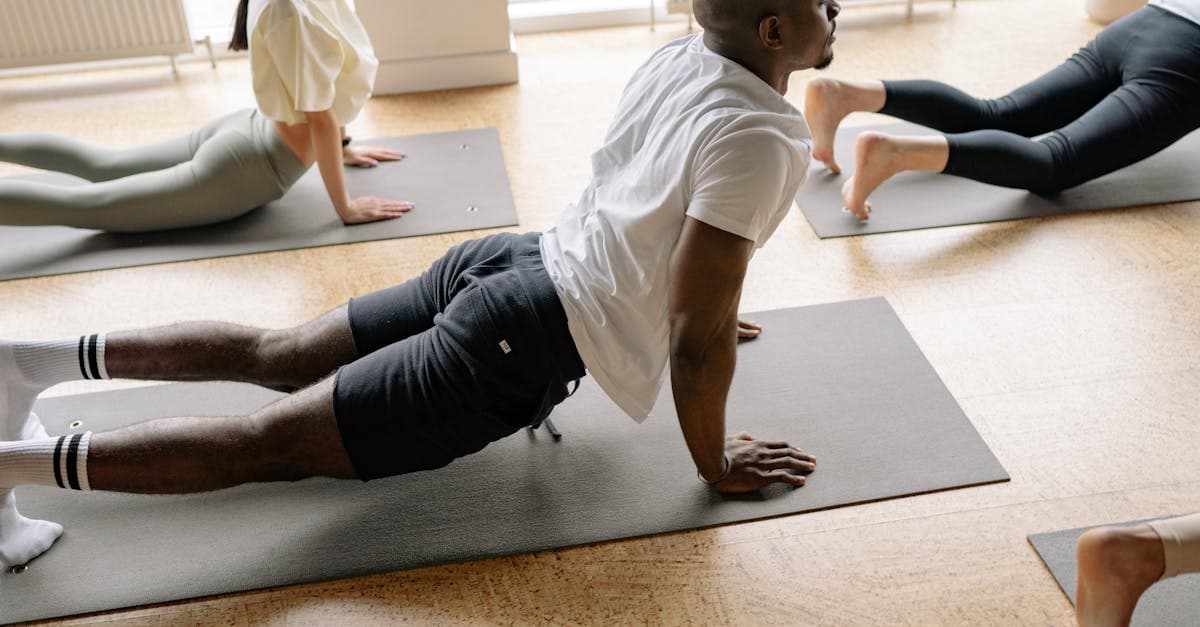
When French tennis professional Ugo Humbert reached world No. 13 in April 2024, he joined an elite group of athletes whose success stems from a complex interplay of biomechanics, cardiovascular excellence, and strategic neurological advantages. With seven ATP Tour singles titles and a finals appearance at the 2024 Paris Masters, Humbert represents a fascinating case study in how modern sports science drives athletic achievement. His left-handed playing style adds another dimension to the physiological and biomechanical puzzle that defines peak tennis performance.
This comprehensive guide explores the scientific principles underlying elite tennis performance, using Humbert as a lens to understand how biomechanics, cardiovascular physiology, and laterality research converge to create championship-caliber athletes. You'll discover how body mechanics influence injury prevention, why cardiovascular demands in tennis require specialized training, and what makes left-handed players like Humbert particularly formidable opponents. Whether you're a tennis enthusiast, coach, or aspiring player, understanding these health and science fundamentals will transform how you view the sport.
The biomechanical analysis of tennis players plays a critical role in enhancing performance, preventing injuries, and informing tailored training programs. For players like Ugo Humbert, who stands at 6 feet 2 inches (1.87 meters) and weighs 160 pounds (72 kilograms), understanding the physics of movement becomes essential to maximizing power while minimizing strain on the body.
Sport biomechanics focuses on analyzing the physiological mechanics of human movement, including analysis of how forces interact and the effects these forces have on and within the body. In tennis, this encompasses everything from the kinetic chain used in serves to the intricate footwork patterns that position players for optimal shot execution.
Biomechanics is a key area in player development because all strokes have a fundamental mechanical structure and sports injuries primarily have a mechanical cause. For a professional like Humbert, who began playing at age five and suffered several injuries related to his growth as a junior, missing 18 months in 2010-11 and 7 months in 2016, understanding and optimizing biomechanics becomes not just about performance enhancement but career longevity.
Tools such as high-speed cameras, motion capture systems, and wearable sensors provide detailed insights into player movements, enabling the precise measurement of joint angles, forces, and velocities. These technological advances allow coaches to identify inefficiencies that might drain energy or reduce accuracy.
In a stretch-shorten cycle, elastic energy stored during the eccentric phase of the action is partially recovered, such that the concentric phase is enhanced, supported by the fact that the concentric action begins with the appropriate muscles under higher tension. This principle explains why proper technique isn't just about aesthetics—it's about harnessing physics to generate maximum power with minimum effort.
The physiological demands placed on tennis players during competition are far more complex than casual observers might assume. Studies of elite professional players during four-set matches lasting 197 minutes reveal unique demands in ecologically valid conditions, providing insights into what players like Humbert endure during tournament play.
A tennis match is characterized by intermittent exercise, alternating short (4-10 second) bouts of high intensity and short (10-20 second) recovery bouts, interrupted by several periods of longer duration rest (60-90 seconds). This pattern creates a unique cardiovascular challenge that requires both aerobic capacity and anaerobic power.
Research shows that the average heart rate of competitive tennis matches varies between 60 and 80% of maximum heart rate, and occasionally, during the most intense and long points, values of 95% of maximum heart rate can be reached. For context, this means that during crucial rallies, players approach the same cardiovascular intensity as sprinters.
Players can lose greater than 2.5% of body mass as fluid during matches, with elevated salivary cortisol concentrations indicating significant physiological stress. This level of fluid loss requires strategic hydration protocols to maintain performance and prevent cardiovascular compromise.
Although average oxygen uptake during tennis matches is generally low to moderate, periods of intense rallying can exceed external demands that surpass maximum oxygen uptake, involving a substantial anaerobic contribution. This dual-energy system requirement means tennis players must train both aerobic and anaerobic pathways.
Studies show elite tennis players have VO2max values of 58.0 (±4.6) ml/kg/min, indicating exceptional aerobic capacity. This cardiovascular fitness enables sustained performance across matches that can last several hours, particularly on slower surfaces where rallies extend longer.
Ugo Humbert's left-handedness represents more than a stylistic choice—it provides measurable competitive advantages rooted in neuroscience and strategic rarity. Research reveals that the advantage of left-handed professional tennis players is higher in males compared to females, making Humbert's southpaw orientation particularly valuable.
While the prevalence of left-handedness in the general population is in the range of 10-13%, a higher proportion of left-handers was found mainly in some interactive sports (boxing, ice hockey, tennis). This overrepresentation at elite levels suggests genuine performance benefits.
Left-handers' relative athletic success is typically attributed to their opponents' unfamiliarity with left-handed action patterns due to the relative rarity of left-handers in the general population (negative frequency-dependent advantage hypothesis). When right-handed players face left-handed opponents, the spin patterns, serve angles, and ball trajectories differ from what they encounter in roughly 90% of their matches.
Outcomes of left-oriented actions were harder to predict than more experienced right-oriented actions (such as stroke direction in tennis), and players did not mirror their game-play behaviour when faced with left-handed opponents. This cognitive challenge forces opponents to adjust their positioning and shot anticipation, creating mental fatigue alongside physical demands.
Left-handed players used offensive shots more frequently, and both play strategy and characteristics such as higher offensiveness together may contribute to their success. For Humbert, whose favourite shot is backhand, this aggressive tactical approach aligns with his biomechanical advantages.
Modern tennis training extends far beyond court time and physical conditioning. The primary goals of sports biomechanics are to improve athletic performance by identifying and applying optimal technique and to prevent injury and speed up recovery. These principles guide how elite players like Humbert structure their preparation.
Biomechanical assessments not only prevent injury but also help optimize performance in all areas including speed, agility, explosiveness, racket head acceleration and even shot placement and consistency. Given Humbert's injury history during developmental years, this scientific approach to training becomes particularly crucial.
Incorporating adequate rest periods, sleep, and active recovery techniques, such as stretching and light activities, is essential for sustaining peak performance and longevity in tennis. The balance between training intensity and recovery determines whether athletes can maintain their competitive edge across a grueling season that spans multiple continents and surface types.
Humbert's versatility across surfaces demonstrates sophisticated biomechanical adaptation. His favourite surface is hard court, and his favourite tournament is Roland Garros, showing he has mastered the biomechanical adjustments required for different playing conditions. Hard courts demand different movement patterns and joint loading compared to clay or grass, requiring players to modify their technique to optimize performance and minimize injury risk on each surface.
Implement biomechanical video analysis regularly: Record your strokes from multiple angles and compare them to optimal movement patterns. Focus on identifying energy leaks in your kinetic chain, particularly during serves where the stretch-shortening cycle is most critical. Even amateur players can benefit from smartphone video analysis combined with coaching feedback.
Train cardiovascular systems with match-specific intervals: Structure conditioning workouts around 4-10 second high-intensity bursts followed by 10-20 second recovery periods to mirror actual match demands. This specificity trains both energy systems simultaneously and better prepares you for competitive play than steady-state cardio alone.
Practice deliberately against left-handed opponents: If you're not left-handed yourself, seek out southpaw practice partners regularly to reduce the unfamiliarity advantage they possess. Focus on reading spin patterns and serve angles that differ from right-handed opponents to build cognitive familiarity that translates to competitive matches.
Q: What makes Ugo Humbert's physical profile ideal for tennis?
A: Humbert's 6'2" frame provides advantageous leverage for serving while his 160-pound weight allows for explosive movement and quick directional changes. His left-handedness creates strategic advantages through opponent unfamiliarity, while his career-high world No. 13 ranking demonstrates how these physical attributes combine with technical excellence and cardiovascular conditioning to produce elite performance.
Q: How do biomechanics reduce tennis injuries?
A: Biomechanical analysis identifies movement inefficiencies that create excessive stress on joints, muscles, and ligaments. By optimizing technique through understanding force interactions and the stretch-shortening cycle, players reduce repetitive strain while generating more power. This approach explains why proper coaching focuses not just on outcomes but on the mechanical process of stroke production, ultimately extending career longevity.
Q: What cardiovascular adaptations occur in elite tennis players?
A: Elite players develop VO2max values around 58 ml/kg/min, indicating exceptional aerobic capacity, while also building anaerobic power systems to handle rallies that exceed maximum oxygen uptake capacity. They train their cardiovascular systems to recover quickly between points (10-20 seconds) while maintaining intensity for hours, creating unique adaptations not seen in purely aerobic or anaerobic sports.
Q: Do left-handed tennis players truly have an advantage?
A: Research confirms that left-handed players, particularly males, possess measurable advantages stemming from opponent unfamiliarity with left-oriented action patterns and spin. Studies show left-handers use offensive shots more frequently and that opponents struggle to predict ball trajectories from southpaw players. While representing only 10-13% of the general population, left-handers are overrepresented at elite tennis levels, supporting the advantage hypothesis.
The best Ugo Humbert performances demonstrate how modern sports science transforms athletic potential into championship results. From biomechanical optimization that prevents injuries while maximizing power generation, to cardiovascular conditioning that enables sustained high-intensity performance, to strategic advantages conferred by left-handedness—every aspect of elite tennis reflects decades of scientific research translated into practical application.
This Ugo Humbert guide reveals that tennis excellence extends far beyond talent and practice. Understanding the health and science principles underlying movement mechanics, metabolic demands, and neurological processing creates opportunities for performance enhancement at every competitive level. As technology continues advancing with more sophisticated motion capture systems, wearable sensors, and real-time physiological monitoring, the gap between players who embrace sports science and those who rely solely on traditional methods will only widen.
What aspects of tennis biomechanics or cardiovascular training will you implement to elevate your own game, and how might understanding the science behind elite performance change your approach to training and competition?
Related Free Tool
BMI Calculator
Calculate your Body Mass Index with metric or imperial units.
Get the latest AI-powered insights delivered to your inbox every week. No spam, ever.
Unsubscribe anytime. We respect your privacy.
Written by
Marcus ReidHealth & Science
Health and science writer dedicated to translating complex medical and scientific research into accessible, actionable insights.
Loading comments...

Read Next
FinanceThink you need thousands to invest? With zero-minimum accounts and fractional shares, you can start building wealth with just $1. Here's your complete guide.
Dustin Johnson's 186-yard ace at LIV Golf reveals the neuroscience and biomechanics behind elite athletic performance—30-85% of your brain powers coordination.

Discover how 2,300+ USA-Germany scientific collaborations are revolutionizing healthcare through complementary innovation strengths and $48B+ research investments.

When a 16-time PGA Tour winner undergoes back surgery, it reveals how biomechanics, surgical innovation, and recovery science restore elite performance.