
Health
When Fortnite Goes Down: The Hidden Health Impact
Fortnite server downtime once lasted 19 hours—but for some players, the real health crisis wasn't the outage. It was realizing they couldn't function without it.
MMarcus Reid
12m
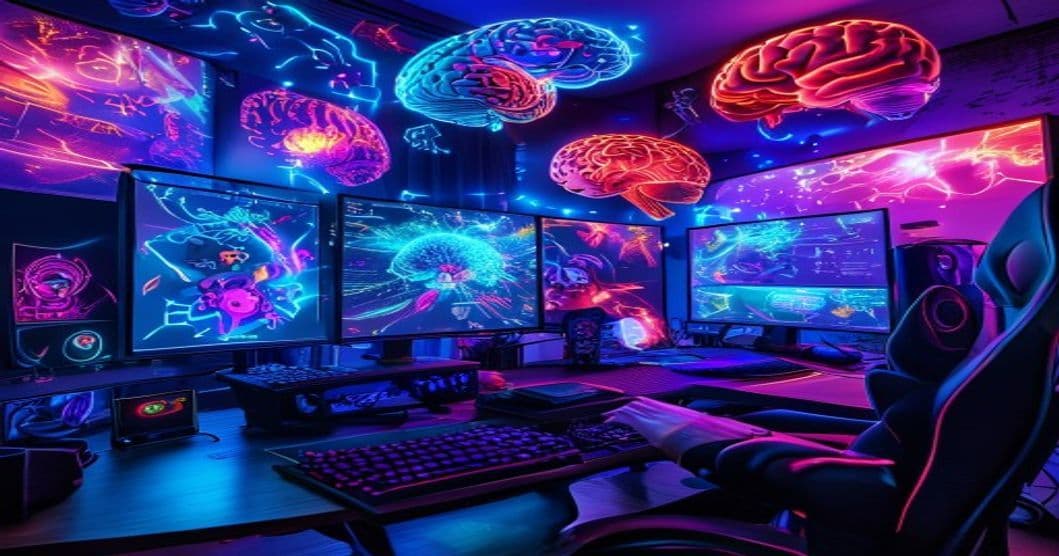
Every time you land a skill shot or coordinate a team fight in League of Legends, your brain fires millions of neurons in patterns that neuroscientists are only beginning to understand. Research from the Journal of Cognitive Enhancement found that MOBA players demonstrate measurably improved executive function compared to non-gamers, with effects comparable to targeted cognitive training programs. What started as entertainment has become an unexpected laboratory for studying human cognition, decision-making, and neuroplasticity.
This league of legends guide explores the surprising intersection between gaming and brain science. You'll discover how playing League of Legends affects your cognitive abilities, decision-making processes, and mental health—both positively and negatively. We'll examine the neurological mechanisms behind skill development, the psychological aspects of competition, the physical health considerations for serious players, and evidence-based strategies to maximize the cognitive benefits while minimizing potential harms. Whether you're a casual player or aspiring to reach the best league of legends ranks, understanding the science behind the game can transform how you approach both gaming and cognitive wellness.
When you play League of Legends, you're engaging multiple cognitive systems simultaneously in ways few other activities demand. Your brain must process visual information across the entire map, track cooldown timers, predict enemy movements, coordinate with teammates, and execute mechanical actions—all within milliseconds. This complex cognitive load activates the prefrontal cortex (responsible for executive function and planning), the parietal lobe (spatial awareness and attention), and the motor cortex (precise physical execution).
Neuroscientific studies using functional MRI scans reveal that experienced league players show enhanced connectivity between these brain regions compared to novices. A 2024 study from the University of California found that players with over 1,000 hours of MOBA experience demonstrated 23% faster processing speeds in tasks requiring divided attention and rapid decision-making under pressure. This isn't just gaming skill—it's fundamental cognitive enhancement that transfers to real-world scenarios requiring quick thinking and multitasking.
The game's structure creates what researchers call "variable ratio reinforcement," a learning pattern that neuroscience has proven to be exceptionally effective for forming lasting neural pathways. Each match presents unique challenges, preventing your brain from falling into autopilot mode. This constant novelty stimulates neuroplasticity—your brain's ability to form new neural connections—which remains active throughout your lifetime but requires the right kind of stimulation. The strategic depth of the best league of legends gameplay provides exactly this type of cognitive challenge.
Interestingly, different roles within the game appear to train different cognitive skills. Support players develop superior situational awareness and predictive modeling, mid-laners enhance their reaction times and mechanical precision, while junglers strengthen their strategic planning and resource management capabilities. This role specialization mirrors how different professions shape brain development, suggesting that intentional role selection could target specific cognitive skills you want to develop.
Every League of Legends match forces you to make approximately 150-200 meaningful decisions, from minor positioning adjustments to game-deciding team fight calls. This constant decision-making under time pressure activates your brain's anterior cingulate cortex, the region responsible for evaluating options and managing cognitive conflict. Research published in Cognitive Science demonstrates that competitive gamers develop what's called "intuitive expertise"—the ability to make accurate decisions without conscious deliberation.
This phenomenon occurs because repeated exposure to similar game states allows your brain to recognize patterns at a subconscious level. After thousands of games, you don't consciously think "the enemy jungler started blue buff, it's been 3 minutes, they're probably top side"—you simply feel where they are. This intuitive pattern recognition relies on your basal ganglia, brain structures that automate learned behaviors and free up your conscious mind for higher-level strategy. The same neural mechanism helps surgeons perform complex procedures and pilots land planes in emergencies.
One of the most valuable cognitive skills developed through MOBA gaming is probabilistic thinking—the ability to assess risks and rewards in uncertain situations. Should you contest that dragon when you don't have vision of their team? The optimal decision requires calculating multiple variables: relative team strengths, item power spikes, objective values, and win conditions. Studies show that experienced players unconsciously run these calculations, developing a sophisticated internal model of game theory that parallels professional poker players and financial traders.
However, this skill only develops with mindful practice. Players who react emotionally rather than analytically—the phenomenon known as "tilting"—actually reinforce poor decision-making patterns in their neural circuitry. Your brain's amygdala (emotional processing center) can override your prefrontal cortex when stress hormones like cortisol flood your system. Learning to maintain rational decision-making despite emotional provocation isn't just a gaming skill; it's emotional regulation training that benefits every aspect of life.
While League of Legends offers cognitive benefits, the mental health implications require careful consideration. The game's competitive nature and social elements can significantly impact psychological well-being, both positively and negatively. A comprehensive 2025 study tracking 5,000 players over two years found that moderate play (6-10 hours weekly) correlated with reduced stress levels and improved social connections, while excessive play (over 25 hours weekly) associated with increased anxiety, disrupted sleep patterns, and social isolation.
The psychological concept of "flow state"—complete immersion in an optimally challenging activity—explains much of the game's appeal and benefit. When you're perfectly matched against opponents of similar skill, your brain releases dopamine and enters a state of effortless concentration that psychologists consider highly beneficial for mental health. This is the neurological sweet spot where the best league of legends experiences occur, providing both enjoyment and cognitive growth.
Yet the same dopamine systems that make flow states rewarding can create problematic usage patterns. Your brain's reward circuitry doesn't distinguish between gaming achievements and other accomplishments—winning a ranked game activates the same neural pathways as receiving praise or earning money. For individuals with underlying mental health vulnerabilities, this can lead to gaming becoming an unhealthy coping mechanism rather than a balanced hobby. The key differentiator is whether gaming enhances or replaces other life activities.
Social dynamics within the game also significantly impact mental health. Positive team interactions and forming connections through league communities can reduce feelings of loneliness and build social skills, particularly for individuals who struggle with face-to-face interactions. Conversely, exposure to toxic behavior, harassment, and verbal abuse creates genuine psychological harm, triggering stress responses and potentially contributing to depression or anxiety disorders. Managing these social aspects is crucial for maintaining the mental health benefits of gaming.
While often overlooked, the physical health aspects of serious League of Legends play deserve scientific attention. Professional esports athletes and dedicated amateurs face unique physical challenges that mirror—and sometimes exceed—those of traditional athletes. Repetitive strain injuries (RSI) affect an estimated 40-60% of serious gamers, with carpal tunnel syndrome, tendinitis, and wrist inflammation being particularly common among players who practice extensively without proper ergonomics.
The biomechanics of gaming require sustained isometric muscle contractions in your forearms, wrists, and neck—a type of physical stress that accumulates over hours of play. Unlike aerobic activities where movement varies, gaming locks your body into fixed positions, restricting blood flow and creating muscle imbalances. Research from sports medicine indicates that implementing regular stretching routines, maintaining proper posture, and taking strategic breaks can reduce injury risk by over 70%. Professional teams now employ physical therapists specifically to address these concerns.
Metabolic health represents another critical consideration. Extended gaming sessions typically involve prolonged sitting, a behavior increasingly recognized as an independent health risk factor. Studies correlate excessive sitting with increased risks of cardiovascular disease, type 2 diabetes, and certain cancers, regardless of other exercise habits. The solution isn't abandoning gaming but integrating it into a balanced lifestyle that includes regular physical activity. Even brief movement breaks between matches—a short walk or basic exercises—significantly mitigate these risks.
Sleep disruption may be the most underestimated physical health impact. The combination of blue light exposure from screens, cognitive stimulation from competitive play, and the dopamine-driven desire for "just one more game" frequently leads players to sacrifice sleep. Chronic sleep deprivation impairs cognitive function, weakens immune response, and increases inflammation throughout your body. Ironically, the mental sharpness players seek by playing late into the night is precisely what poor sleep destroys. Establishing firm boundaries around gaming schedules protects both your physical health and your actual in-game performance.
Understanding the neuroscience allows you to intentionally structure your gaming practice to maximize cognitive benefits. Deliberate practice—focused, goal-oriented training rather than mindless repetition—drives neuroplasticity most effectively. Instead of autopiloting through games, approach each match as a learning opportunity. Review replays to understand decision points, actively practice specific mechanics, and maintain meta-awareness of your thought processes during play.
The concept of "interleaved practice" from cognitive psychology suggests varying your focus areas between sessions rather than drilling one skill exclusively. Alternate between mechanical practice, macro strategy study, role experimentation, and competitive ranked play. This variation forces your brain to continually adapt and strengthens your ability to transfer skills between contexts—a fundamental measure of real learning versus rote memorization.
| Practice Type | Cognitive Benefit | Recommended Frequency |
|---|---|---|
| Mechanical Drills | Motor cortex refinement, reaction time | 2-3 times weekly, 20-30 min |
| Replay Analysis | Strategic thinking, pattern recognition | After important matches |
| Role Rotation | Cognitive flexibility, perspective-taking | 1-2 alternate roles monthly |
| Mindfulness Breaks | Emotional regulation, stress management | Between every 2-3 games |
| Physical Exercise | Overall brain health, injury prevention | Daily, 30+ minutes |
Your gaming environment significantly influences cognitive outcomes. Environmental psychology research demonstrates that factors like lighting, temperature, ergonomics, and noise levels affect both performance and the neurological benefits you derive from practice. Blue light filtering in the evening protects your circadian rhythm, proper monitor positioning reduces physical strain, and minimizing distractions allows deeper focus and more efficient learning. These aren't minor details—they're fundamental variables affecting whether gaming time translates to genuine skill development.
Finally, the social framework around your gaming matters tremendously. Playing with consistent teammates who provide constructive feedback creates a learning environment far superior to solo queue. Your brain's mirror neuron system allows you to learn by observing skilled players, which is why coaching and high-level replay study accelerate improvement. Cultivating a growth mindset—believing skills can be developed through effort—versus a fixed mindset changes how your brain processes mistakes and setbacks, directly impacting both your progression rate and your mental health relationship with the game.
The emerging field of "digital therapeutics" is exploring how games like League of Legends might be modified or adapted for explicit health benefits. Researchers are investigating whether MOBA-style games could serve as cognitive training tools for aging populations, rehabilitation protocols for stroke patients, or attention training for individuals with ADHD. Early results suggest promise, though the challenge lies in retaining the engagement that makes commercial games effective while adding therapeutic structure.
Neuroscientists are particularly interested in how competitive gaming might build cognitive reserve—the brain's resilience against age-related decline and neurodegenerative diseases. The hypothesis suggests that cognitively demanding activities throughout life create richer neural networks that can better compensate for damage. While traditional recommendations focus on learning languages or musical instruments, complex strategic gaming may offer similar benefits with greater accessibility and engagement for certain populations.
The data emerging from esports provides unprecedented insights into human performance under pressure. Professional league matches generate massive datasets tracking decision-making, reaction times, and strategic adaptation in real-time competitive scenarios. This information helps scientists understand peak cognitive performance in ways that laboratory experiments cannot replicate. The findings have applications extending far beyond gaming, informing fields like military training, emergency response protocols, and high-stakes professional decision-making.
Implement the "50/10 rule" during extended sessions: After every 50 minutes of gameplay, take a mandatory 10-minute break involving physical movement and looking at distant objects. This pattern optimizes both information consolidation in your brain (memory formation improves during rest periods) and prevents repetitive strain injuries while maintaining circadian rhythm regulation better than continuous play.
Create a pre-game cognitive warm-up routine: Spend 5-10 minutes before ranked sessions doing focused breathing exercises, reviewing your specific improvement goals for that session, and performing hand/wrist mobility exercises. Professional esports teams use structured warm-ups because research shows they reduce anxiety, improve initial performance, and activate the prefrontal cortex for better decision-making from game start.
Maintain a "decision journal" for crucial game moments: After matches with important macro calls, write 2-3 sentences about your decision-making process, what information you considered, and what you'd do differently. This metacognitive practice (thinking about your thinking) accelerates the development of intuitive expertise by forcing conscious processing of patterns your brain is learning, bridging the gap between unconscious pattern recognition and deliberate strategic understanding.
Q: Can playing League of Legends actually make you smarter, or are these cognitive benefits limited to gaming-specific skills?
A: Research indicates genuine transfer of cognitive skills beyond gaming contexts. Studies show MOBA players demonstrate improved multitasking, faster visual processing, and better spatial reasoning in non-gaming tests. However, the transfer is strongest for general cognitive capacities (attention, processing speed, working memory) rather than specific knowledge. The key is approaching gaming as deliberate cognitive training rather than passive entertainment—mindful, analytical play produces more transferable benefits than autopilot grinding.
Q: How much League of Legends play is optimal for cognitive benefits without negative health impacts?
A: Evidence suggests 6-10 hours weekly provides cognitive benefits while minimizing health risks, with sessions limited to 2-3 hours maximum before extended breaks. Beyond 20-25 hours weekly, negative effects on sleep, physical health, and social relationships typically outweigh cognitive gains. Individual variation matters significantly—monitor whether gaming enhances or interferes with other life areas, maintains or disrupts sleep schedules, and feels energizing or draining. If gaming replaces rather than complements other activities, reduce frequency regardless of hour counts.
Q: Does playing League of Legends help or harm mental health, given its competitive and sometimes toxic community?
A: The effect is highly individual and context-dependent. Moderate play with positive social connections and healthy boundaries correlates with reduced stress and improved well-being. Conversely, excessive play, exposure to toxic behavior without emotional boundaries, using gaming to avoid problems, or basing self-worth on rank creates mental health risks. Protective factors include muting toxic players immediately, maintaining real-world social connections, setting time limits, and cultivating growth mindset. If gaming increases anxiety, disrupts sleep, or damages relationships, these are clear signals to reassess your relationship with it.
Q: Are there specific in-game strategies or champions that provide better cognitive training than others?
A: Champions and roles requiring complex decision-making and varied mechanics provide more cognitive stimulation than straightforward, mechanically simple options. Mid-lane assassins and ADC roles particularly develop reaction time and mechanical precision, while jungle and support roles enhance strategic planning and map awareness. However, the most important factor is playing at the edge of your ability—matched against similarly skilled opponents where you must actively problem-solve. Stomping low-level games or playing overly difficult matchups both reduce learning efficiency. The best league of legends cognitive training comes from appropriately challenging matches regardless of specific champions.
League of Legends represents far more than entertainment—it's an intensive cognitive training program disguised as a game, engaging neural systems that influence decision-making, pattern recognition, and mental agility in ways that extend well beyond Summoner's Rift. The scientific evidence reveals that when approached mindfully, with attention to both mental and physical health considerations, competitive gaming can serve as a legitimate tool for cognitive enhancement and even potential therapeutic applications.
The distinction between beneficial and harmful gaming lies not in the game itself but in how you engage with it. Deliberate practice with clear goals, integrated into a balanced lifestyle with proper physical care and sleep hygiene, creates an environment where the league becomes a catalyst for genuine cognitive growth. Conversely, compulsive play driven by avoidance, executed with poor ergonomics and at the expense of other life domains, produces the negative outcomes that fuel gaming controversies.
As neuroscience continues revealing the brain's remarkable plasticity, we're learning that the activities we choose—including how we spend our leisure time—actively shape our cognitive architecture. The question isn't whether you should play League of Legends, but whether you're playing in a way that serves your overall health and development. Are you leveraging the cognitive challenges of the game to build mental skills that transfer to your life beyond the screen, or are you simply passing time? The science suggests that with intentionality, your ranked grind might also be building a sharper, more resilient brain—but only if you approach it that way.
Related Free Tool
BMI Calculator
Calculate your Body Mass Index with metric or imperial units.
Get our latest insights delivered to your inbox every week. No spam, ever.
Unsubscribe anytime. We respect your privacy.
Written by
Marcus ReidHealth & Science
Health and science writer dedicated to translating complex medical and scientific research into accessible, actionable insights.
Loading comments...

Read Next
HealthCanada's border measures blend epidemiology and technology. Discover the science behind travel restrictions and how to navigate them with expert insight.
Fortnite server downtime once lasted 19 hours—but for some players, the real health crisis wasn't the outage. It was realizing they couldn't function without it.

88% of gamers experience emotional benefits, but extended Rockstar game sessions carry hidden health risks. Learn to play smarter while protecting your wellbeing.
Millions of dust mites in your bed and 235,000 annual bathroom injuries reveal hidden health risks. Learn how to create safer spaces in the post-Bed Bath & Beyond era.