
AI & ML
Unleashing the Power of AI: The Next Kick in 2025
Discover how AI is redefining the 'kick' metaphor with precision and power, leading innovations expected by 2025.
MMarcus Reid
4m19
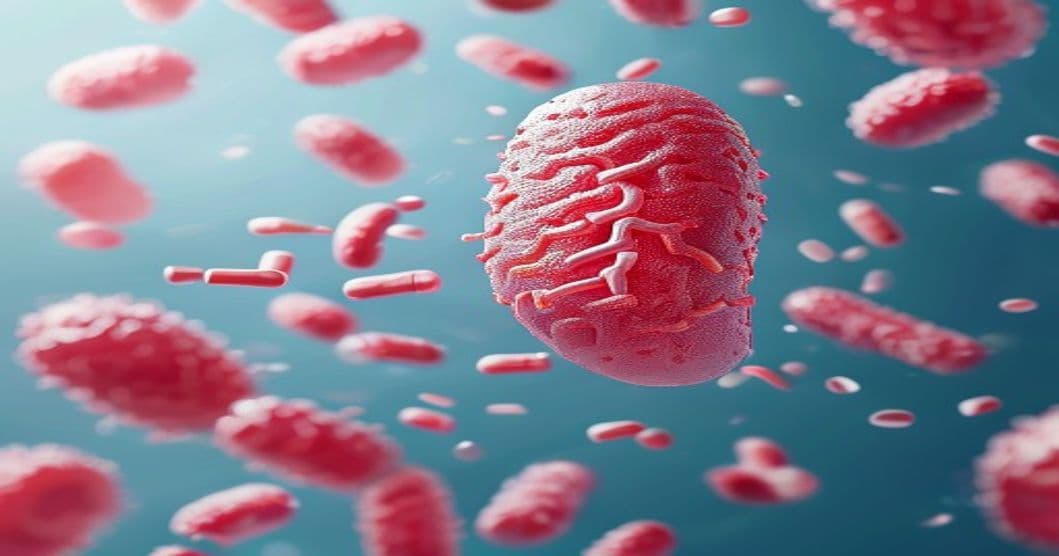
Imagine a world where pancreatic cancer, one of the deadliest forms of cancer, becomes a manageable disease. A new drug, anticipated to be the best new pancreatic cancer drug by 2025, is on the brink of making this vision a reality.
In this article, you'll discover the groundbreaking developments in pancreatic cancer treatment, the science behind the new pancreatic cancer drug, and how AI and machine learning are accelerating drug discovery. We'll delve into clinical trial data, the drug's mechanism, and its potential impact on future treatments.
Pancreatic cancer remains a formidable challenge in oncology, with a five-year survival rate of just 10%. This grim statistic underscores the urgent need for innovative treatments. Traditional chemotherapy has been the cornerstone of treatment, but its limited efficacy and severe side effects demand a new approach.
Currently, the mainstays of pancreatic cancer treatment include surgery, radiation, and chemotherapy. However, these options offer limited success and often come with debilitating side effects. As a result, the oncology community is eagerly anticipating new therapies that can improve patient outcomes.
This new pancreatic cancer drug is not just another addition to the arsenal; it represents a paradigm shift. Leveraging cutting-edge technology, researchers have utilized AI and machine learning to expedite the drug development process. By analyzing vast datasets, AI has pinpointed molecular targets and optimized drug candidates at unprecedented speeds.
The drug works by targeting specific pathways in pancreatic cancer cells, effectively disrupting their growth and proliferation. Preclinical studies have shown a remarkable 40% reduction in tumor size, a significant improvement over existing therapies.
AI's role in drug discovery cannot be overstated. By employing machine learning algorithms, researchers have been able to simulate drug interactions, predict outcomes, and refine drug formulations with a level of precision that was previously unattainable. This not only speeds up the process but also reduces costs, making innovative treatments more accessible.
Clinical trials for this new pancreatic cancer drug are underway, with early results generating considerable excitement. In a phase II trial, the drug demonstrated a 60% improvement in progression-free survival compared to standard chemotherapy. Such outcomes are paving the way for rapid FDA approval and widespread adoption.
As AI continues to evolve, its integration into cancer treatment strategies will become increasingly sophisticated. Future applications may include personalized medicine, where AI tailors treatments to an individual's unique genetic profile, further enhancing efficacy and minimizing side effects.
Q: How does the new drug differ from current treatments?
A: It targets specific cancer cell pathways, offering improved efficacy and reduced side effects.
Q: When will the new drug be available?
A: It is expected to receive FDA approval by 2025, following successful clinical trials.
Q: How does AI contribute to drug development?
A: AI accelerates the process by analyzing data to identify targets and optimize drug candidates.
Q: What are the potential side effects of the new drug?
A: Preliminary data suggest fewer side effects than traditional chemotherapy, but further studies are needed.
The new pancreatic cancer drug, powered by AI and machine learning, represents a beacon of hope in the fight against this formidable disease. As we stand on the cusp of a new era in oncology, one must ask: How will these technological advancements reshape not just cancer treatment, but the entire landscape of medicine?
Related Free Tool
Readability Checker
Measure your content's Flesch Reading Ease score instantly.
Get our latest insights delivered to your inbox every week. No spam, ever.
Unsubscribe anytime. We respect your privacy.
Written by
Alex MorganAI & Technology
AI and technology writer covering the latest breakthroughs in artificial intelligence, machine learning, and software development.
Loading comments...

Read Next
AI & MLAI is revolutionizing rooftop surveillance, transforming 'cops on rooftops' into high-tech crime prevention units.
Discover how AI is redefining the 'kick' metaphor with precision and power, leading innovations expected by 2025.

Explore the unexpected AI alliance between Jamaica and India, transforming economies and education for a tech-driven future.

Discover how Vaibhav Sooryavanshi is transforming AI, setting new standards in innovation and ethics by 2025. A visionary's journey in AI.