
Technology
How Jordan Spieth Uses Tech to Master Modern Golf
Jordan Spieth's mastery reveals how launch monitors, AI wearables, and data analytics have transformed golf into a technology-driven sport where precision wins.
AAlex Morgan
14m
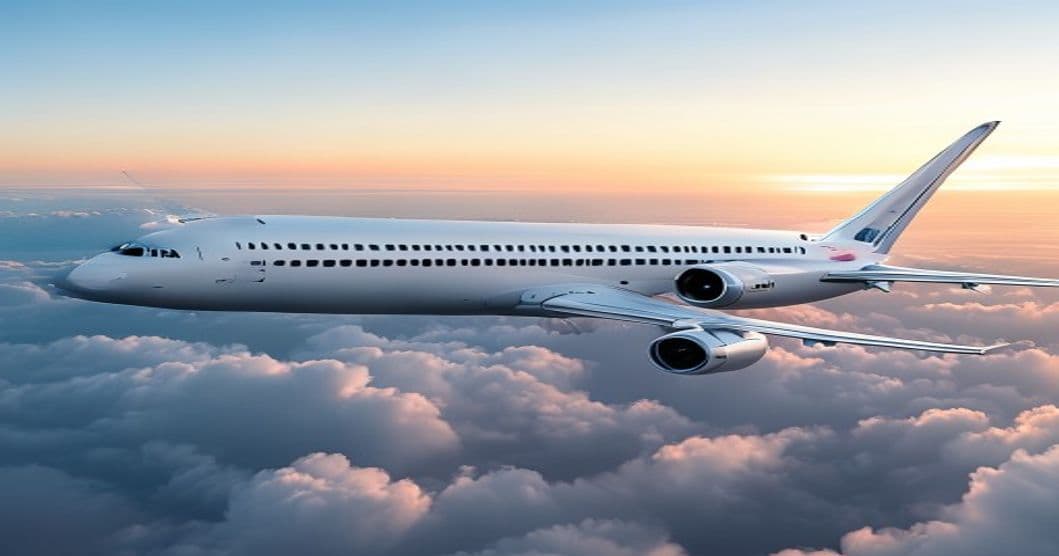
Imagine a [future]-the-future-of-solana-sierra) where your flight experiences are not just about reaching destinations, but also about witnessing advanced AI innovations at work. With the Boeing 737 series, this is becoming a reality faster than you might expect.
The Boeing 737 is not just another aircraft; it's a groundbreaking model that has set new standards in aviation. In this article, you'll explore the evolution of the Boeing 737, its impact on the airline industry, and how AI and machine learning are transforming its future.
The Boeing 737 has been a staple of the aviation industry since its inception in 1968. Known for its reliability and efficiency, the 737 has transported billions of passengers worldwide. Over the decades, it has undergone numerous modifications to enhance its performance and passenger comfort.
The aircraft's continuous evolution is a testament to Boeing's commitment to innovation. With over 10,000 units delivered, the 737 holds the record as the best-selling commercial jetliner in history. This success is largely due to its adaptability and the constant integration of new technologies.
As we approach 2025, the Boeing 737 is poised to incorporate AI and machine learning into its core systems. These technologies promise to revolutionize everything from flight path optimization to predictive maintenance.
AI-driven algorithms can analyze vast amounts of data in real-time, making precise adjustments to improve fuel efficiency and reduce emissions. According to industry experts, AI could reduce operational costs by up to 15%, a significant saving for airlines.
The passenger experience aboard the Boeing 737 is also set to improve dramatically thanks to AI. From personalized in-flight entertainment to automated service requests, AI technology is enhancing every aspect of the journey.
With features like virtual assistants and real-time language translation, passengers will enjoy a more connected and convenient flying experience. These innovations are not just about comfort but also about making air travel more inclusive and accessible.
Safety has always been a paramount concern in the aviation industry. The Boeing 737 is leading the way in utilizing AI to enhance flight safety. Machine learning algorithms can predict potential mechanical failures before they occur, allowing for timely maintenance and reducing the risk of in-flight issues.
Furthermore, AI technology enables the 737 to perform efficient flight routing, minimizing delays and optimizing fuel consumption. According to a study by the International Air Transport Association, AI-powered flight optimization can lead to a 5% reduction in global CO2 emissions, contributing to more sustainable aviation practices.
As we look to the future, the Boeing 737 2025 promises even more advancements. With ongoing research in AI and machine learning, the aircraft will continue to push the boundaries of what's possible in aviation.
The focus will be on enhancing autonomous flight capabilities and developing smart cockpit technologies. These innovations aim to reduce pilot workload and increase operational efficiency, paving the way for a new era of aviation.
| Model | Year of Introduction | Key Features |
|---|---|---|
| 737-100/200 | 1968 | Original models with basic avionics |
| 737-300/400/500 | 1984 | Improved engines and aerodynamics |
| 737-600/700/800/900 | 1997 | Advanced avionics and increased capacity |
| 737 MAX | 2017 | Fuel-efficient engines and modern design |
| 737 2025 | 2025 | AI integration, autonomous capabilities |
Q: How has the Boeing 737 evolved over the years?
A: The Boeing 737 has seen multiple upgrades, focusing on efficiency, capacity, and now AI integration for enhanced operations.
Q: What role does AI play in the Boeing 737 2025?
A: AI optimizes flight paths, improves safety through predictive maintenance, and enhances passenger experiences.
Q: Is the Boeing 737 safe with AI technologies?
A: Yes, AI improves safety by allowing for early detection of potential issues and optimizing flight operations.
Q: How does AI impact the cost of operating a Boeing 737?
A: AI can reduce operational costs by up to 15% through improved fuel efficiency and maintenance scheduling.
The Boeing 737 is not just an aircraft; it's a symbol of technological progress in aviation. As AI and machine learning continue to advance, the 737 will usher in a new era of smart flying. Are you ready to witness the future of air travel? Embrace the innovations and prepare for a transformed flight experience.
Related Free Tool
URL Slug Generator
Convert any title into a clean, SEO-friendly URL slug.
Get our latest insights delivered to your inbox every week. No spam, ever.
Unsubscribe anytime. We respect your privacy.
Written by
Marcus ReidHealth & Science
Health and science writer dedicated to translating complex medical and scientific research into accessible, actionable insights.
Loading comments...

Read Next
AI & Machine LearningDiscover how AI is set to revolutionize schools by 2025, transforming classrooms into personalized learning environments.
Jordan Spieth's mastery reveals how launch monitors, AI wearables, and data analytics have transformed golf into a technology-driven sport where precision wins.

From AI draft models to biometric tracking, discover how cutting-edge technology shaped Zaccharie Risacher's path to NBA stardom.

The Supreme Court's 2026 rulings on AI copyright, geofence warrants, and digital privacy are rewriting technology law. Discover how these cases affect you.